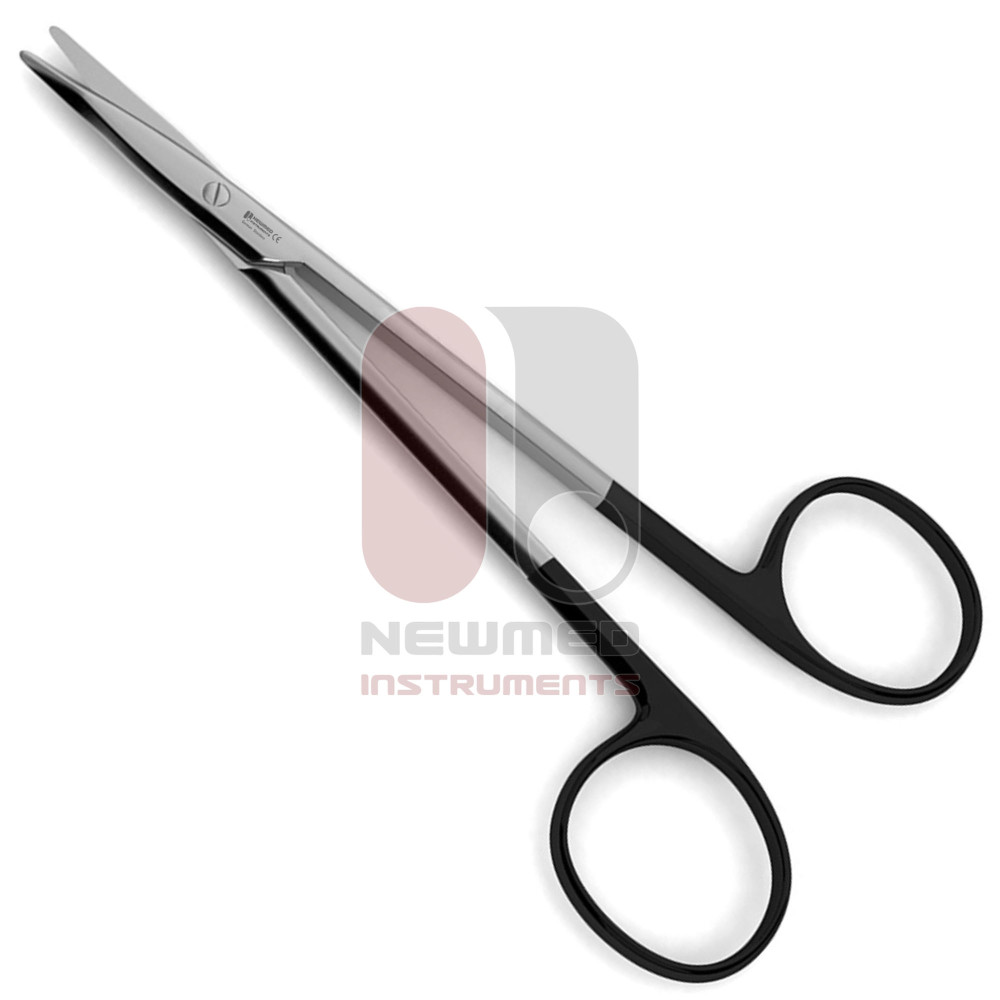
Every tool in an operating theater serves a vital purpose, but few are as fundamental as scissors designed for dissection. Understanding the primary dissecting scissors function is essential for any medical student or practicing surgeon aiming for optimal patient outcomes. These instruments are not merely for cutting; they are extensions of the surgeon's hand, allowing for the delicate separation of tissues. Whether navigating through fascia or isolating a specific vessel, the ability to separate without causing unnecessary trauma is what defines their utility. This delicate balance between sharpness for cutting and bluntness for separation is where the true engineering marvel of these instruments lies.
Design Features That Define Performance
The anatomy of the instrument itself dictates its capabilities in the operating room. When we analyze the dissecting scissors function, we see that specific design choices—such as the curve of the blades and the bluntness of the tips—are intentional. Curved blades allow for better visualization of the surgical site, enabling the surgeon to see exactly where the tips are moving within the tissue layers. Straight blades, while useful, are often reserved for surface work or cutting sutures. The tips are typically blunt to prevent accidental punctures of surrounding organs or vessels during the probing phase of dissection. This safety feature is crucial when working in tight, anatomically complex areas where a sharp tip could lead to immediate complications.
Differentiating Between Sharp and Blunt Dissection
Surgeons often switch between sharp and blunt dissection techniques depending on the tissue density and anatomical location. The core dissecting scissors function supports both methods seamlessly. In sharp dissection, the blades are used to slice through tough connective tissue, requiring high-grade steel that maintains an edge over time. In blunt dissection, the closed scissors are inserted into the tissue plane and then opened. This iris scissors curved action gently tears the natural tissue planes apart rather than cutting them, preserving the integrity of nerves and vessels running through the area. Mastering this "spread and cut" technique is a rite of passage for surgical residents, and high-quality instruments make this learning curve significantly smoother.
Applications Across Various Medical Specialties
The versatility of these instruments means they are found in trays across almost every medical specialty. From general surgery to neurosurgery, the specific dissecting scissors function adapts to the needs of the procedure. In cardiovascular surgery, for instance, the scissors must be delicate enough to dissect fine vessels without crushing them. In orthopedic surgery, they might need to be more robust to handle thicker fascia. Regardless of the specialty, the requirement remains the same: reliable performance that allows the surgeon to focus on the procedure rather than fighting with their tools. This reliability is what professionals seek when selecting their instrument provider.
New Med Instruments: Commitment to Surgical Excellence
At New Med Instruments, we understand that a surgeon's skill is only as effective as the tools in their hands. We seek to provide quality surgical instruments and superior service to surgeons, students, and healthcare professionals all over the world who value perfect and precise results. Our products are crafted to meet specific surgical needs, ensuring that whether a surgeon is establishing a new practice or refining advanced techniques, they have the support they need. We recognize that the dissecting scissors function is critical to success, which is why our catalog features instruments manufactured with the highest standards of precision and durability. By choosing New Med Instruments, healthcare professionals invest in reliability that directly translates to better patient care.